
- Why adote a tree?
The Adopt a Tree, Adopt a Child, Grow a Life initiative seeks to address these challenges which Includes environmental degradation, climate change impacts, poverty, limited access to educational opportunities, and social barriers affecting vulnerable children, particularly girls through an integrated approach that combines environmental conservation with child empowerment.
A tree and a child represent the future of a community. Both require care, protection, and investment to grow and flourish. A tree planted today contributes to a healthier environment for future generations. A child supported today becomes a future leader, innovator, and contributor to society. This initiative is built on the belief that sustainable development must nurture both nature and people.
- Our Activities
Activities in Partnership with Nature Lovers Organization
Supporting Children's Participation through Experiential Learning
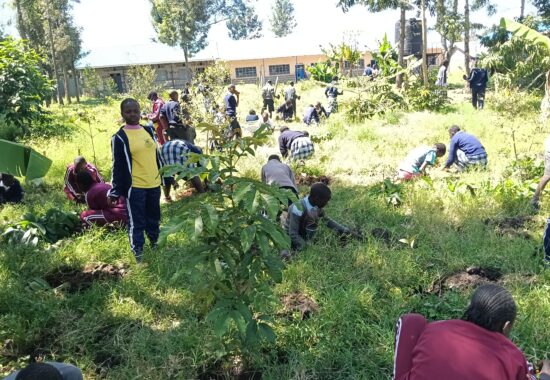
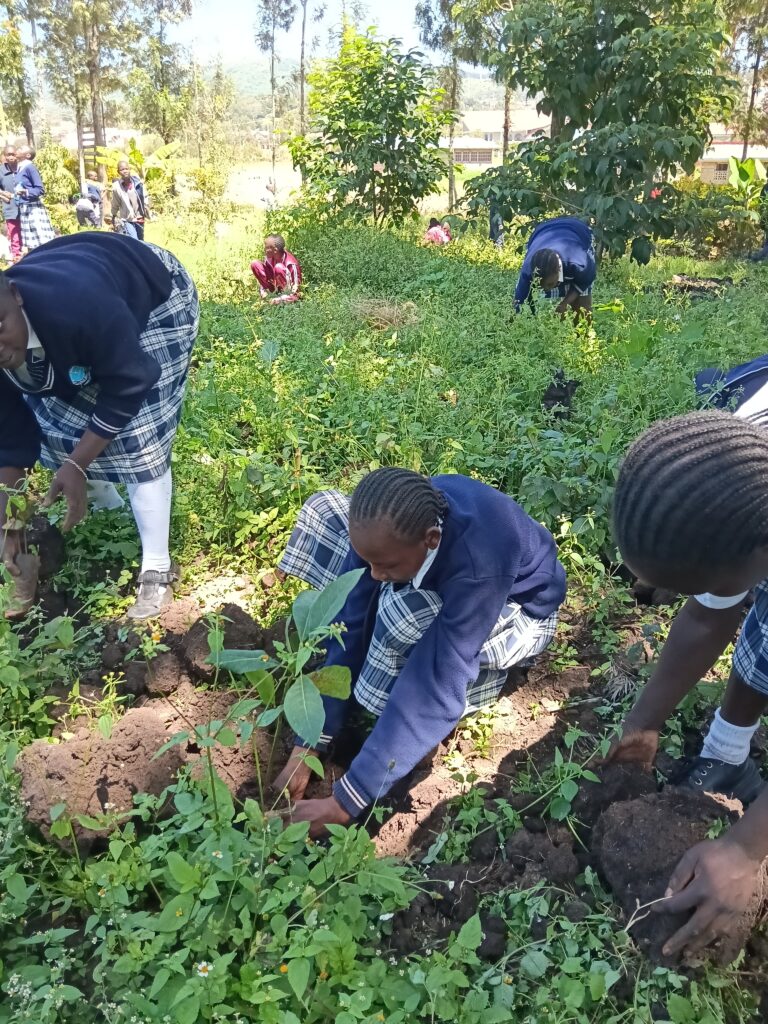
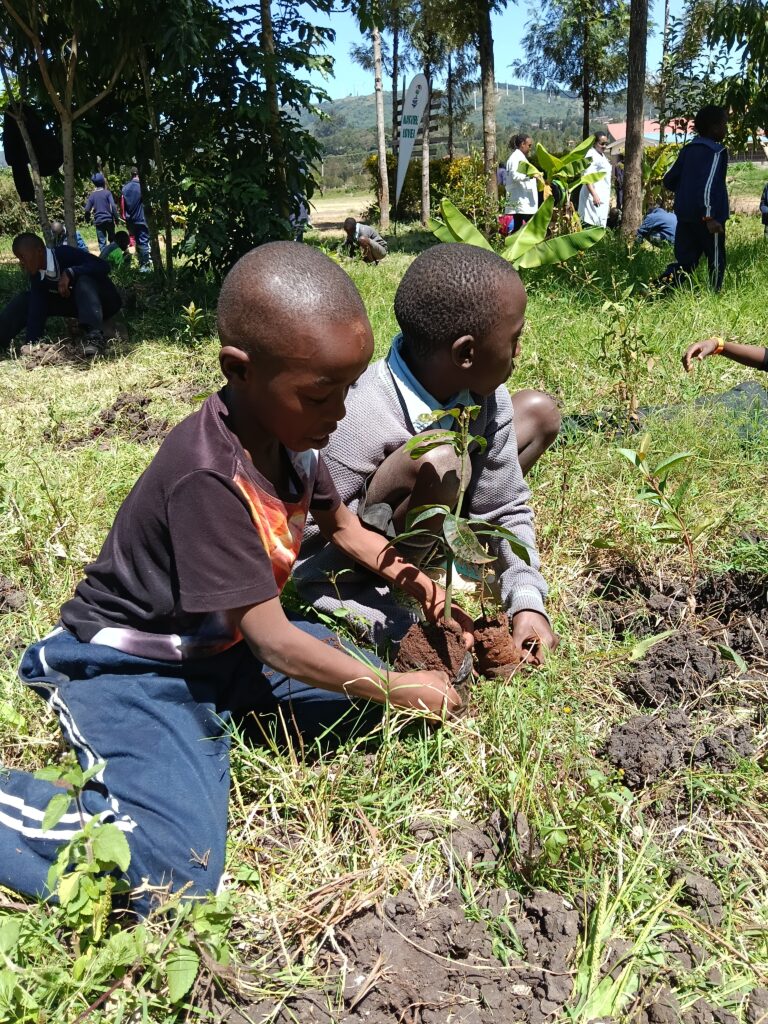
Our team members worked within NLC's approach of engaging school-going children as active agents of climate action rather than passive beneficiaries, helping design activities that let girls and boys participate directly in planting, nurturing, and protecting trees. This experience reflects a guiding conviction shared by both organizations: children who are empowered early become the environmental stewards communities need for the long term. For JKL, operating in a county where nearly half the population is under 15, this experience is directly transferable to youth-centred resilience work.
Restoring the Natural Environment through Indigenous and Fruit Tree Growing
JKL contributed to NLC's site-matching and due-diligence process for tree restoration, ensuring seedlings were suited to specific ecological conditions to maximize survival rates, and supporting the growing of both indigenous and fruit tree species. This is particularly relevant experience for West Pokot, an Arid and Semi-Arid Land (ASAL) county where land degradation and recurring drought directly threaten household livelihoods. Reversing this degradation through carefully selected, well-adapted tree species is a livelihoods strategy, not just an environmental one.
- Activities
Environmental Conservation Education
Our team supported NLC's conservation education pipeline, beginning at Early Childhood Development (ECD) level and extending through primary, secondary, and teacher-training colleges, where learners are trained as Tree Growing Champions and top-performing schools recognized as models. This layered, age-appropriate approach to instilling environmental values is a model JKL can draw on directly as it builds its own child- and youth-focused programming.

